A compelling email signup form can turn website visitors into subscribers and create new opportunities for future engagement and customer loyalty.
An email signup form is an on-site form that collects a visitor’s email address so a brand can add them to its subscriber list and continue communicating with them even after they leave the site.
This blog covers 10 best practices to maximize signup potential. From design to incentives, we reveal steps for high-performing forms. Our tips will help you improve CTAs, adopt mobile-friendly designs, and present strategic incentives.
How to Launch a High Converting Email Signup Form
To create a high-converting email signup form, focus on three core elements: clear messaging, user-friendly design, and a simple signup experience. Each element should make it easy for visitors to understand what they’re signing up for and complete the form with minimal effort.
To help you improve your form’s effectiveness, here are ten important tips that will help increase signup rates.
10 Tips to Improve Email Signup Form Conversions
1. Craft Clear and Actionable CTAs
Use a compelling call-to-action (CTA) button to clearly communicate the next step and encourage shoppers to complete the signup process.
Choose action-oriented text that encourages shoppers to sign up and clearly communicates what they’re receiving from clicking the button. Popular phrases such as “Get Started,” “Unlock Access,” and “Join Now” can create a sense of urgency and excitement. Visual aspects such as presenting contrasting colors can also make a difference.
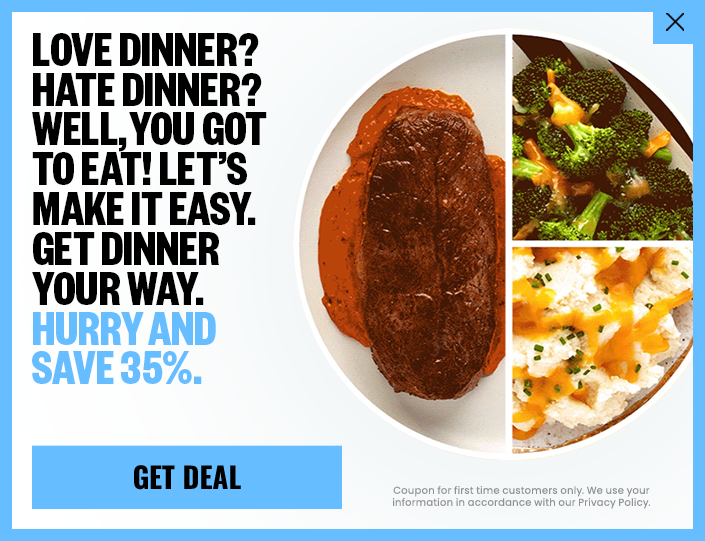
In this example, the CTA “Get Real” is action-oriented and attention grabbing. It plays into the company mission to offer easy-to-make, healthy “real” meals.
2. Create Mobile-Friendly Designs
When implementing email signup forms, don’t forget that many shoppers will access it via a smartphone. This means you should ensure your form is readable and visually appealing on a mobile format.
With an overall smaller screen size to convey a message, generate a lead, or make a conversion, it’s crucial to focus on mobile design best practices. A clean, brand-consistent design works well. Limit use of design elements to draw attention to the form.
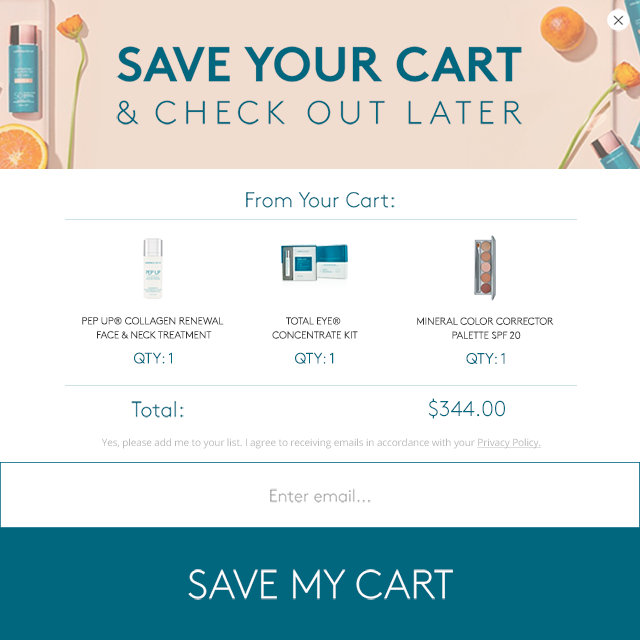
In the example shown, the engagement is made readable to a mobile audience. The CTA, copy, and cart items utilize the smaller space so that mobile users will be drawn to save their carts.
3. Implement Pop-Ups
Pop-ups can be an effective way to increase visibility and encourage signups when used strategically.
Be mindful of the shopper experience and avoid interrupting shoppers during important moments. Test different popup experiences and monitor performance to determine what resonates best with your audience.
4. Offer Incentives and Reiterate Offers
Incentives such as materials, promotions, and exclusive deals are another way to increase the success of your email form. Encourage visitors to sign up by clearly demonstrating the rewards they get for offering their information.
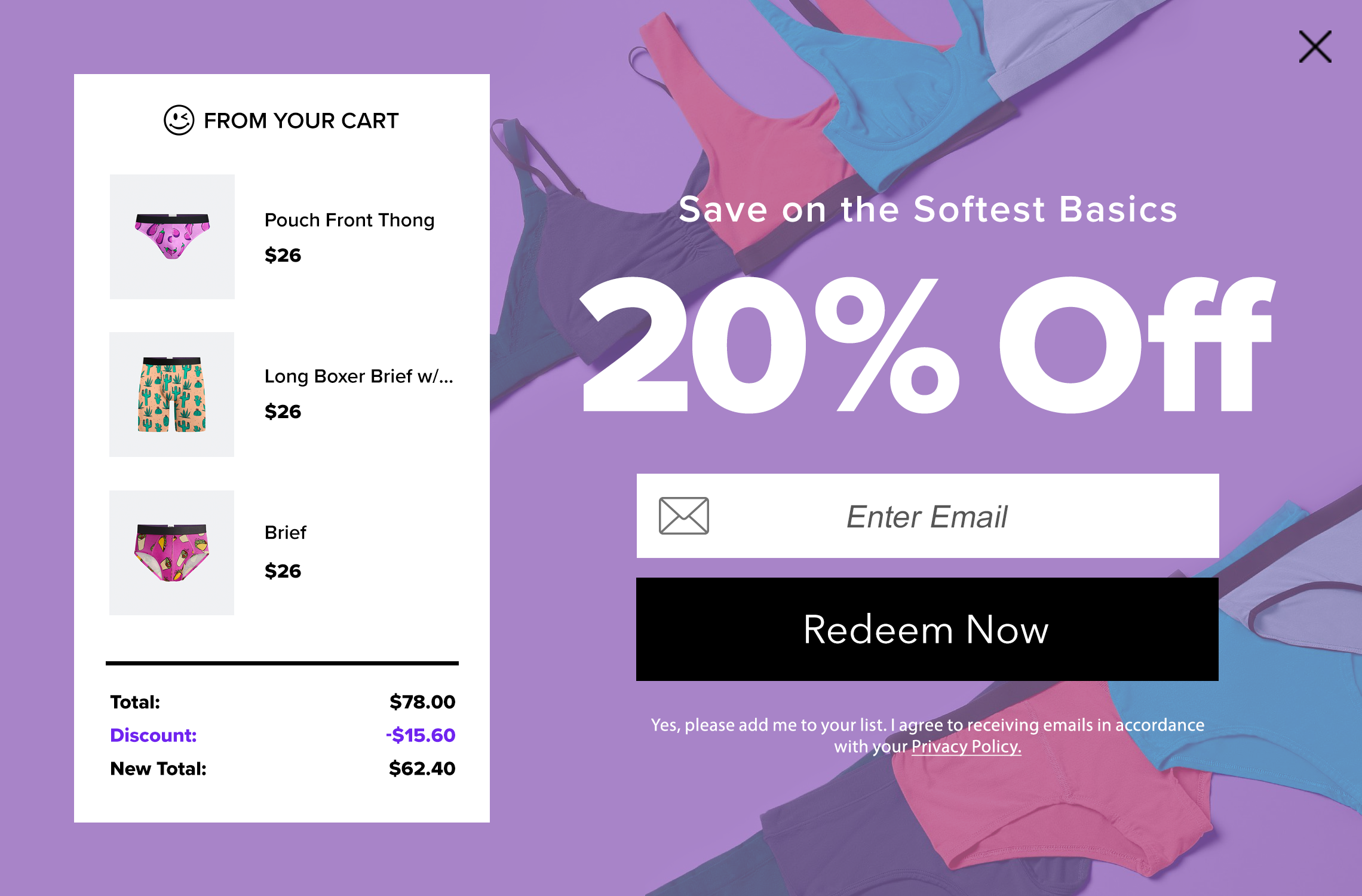
In the example below, the engagement collects shopper’s email addresses by offering a 20% off incentive and highlighting their savings.
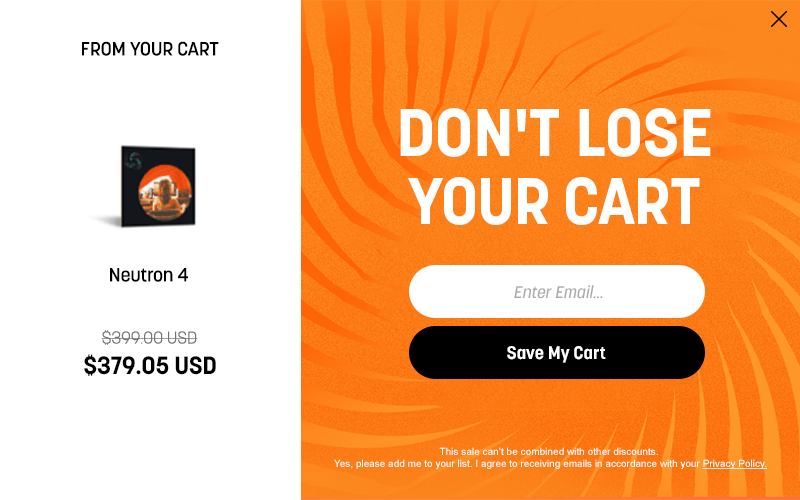
If your strategy doesn’t include offering incentives, you can still leverage a pre-existing offer. In the example below, a pre-existing sale is used to encourage shoppers to save their carts and shopping progress.
5. Use Progressive Profiling
One mistake brands can make with email signup forms is asking for too much information upfront and overwhelming shoppers. Instead of asking for a lot of information at the start, try out progressive profiling.
Progressive profiling is the practice of collecting information from shoppers gradually over time rather than asking for everything at once. By spacing out the information you request, you can reduce friction during the initial signup process while continuing to build a more complete shopper profile over time.
6. A/B Testing Form Lengths
As an alternative to progressive profiling, find out exactly what type of form works best for your audience by A/B testing your forms. Experiment with both short and long forms to discern which resonates more effectively with the specific target demographic.
Depending on your target demographic, it can be beneficial to implement a longer form with more details, as it can lead to more qualified signups.
By meticulously testing diverse variations of the signup form encompassing factors such as design, copy, incentives, and placement, marketers can identify the most effective elements.
7. Placement
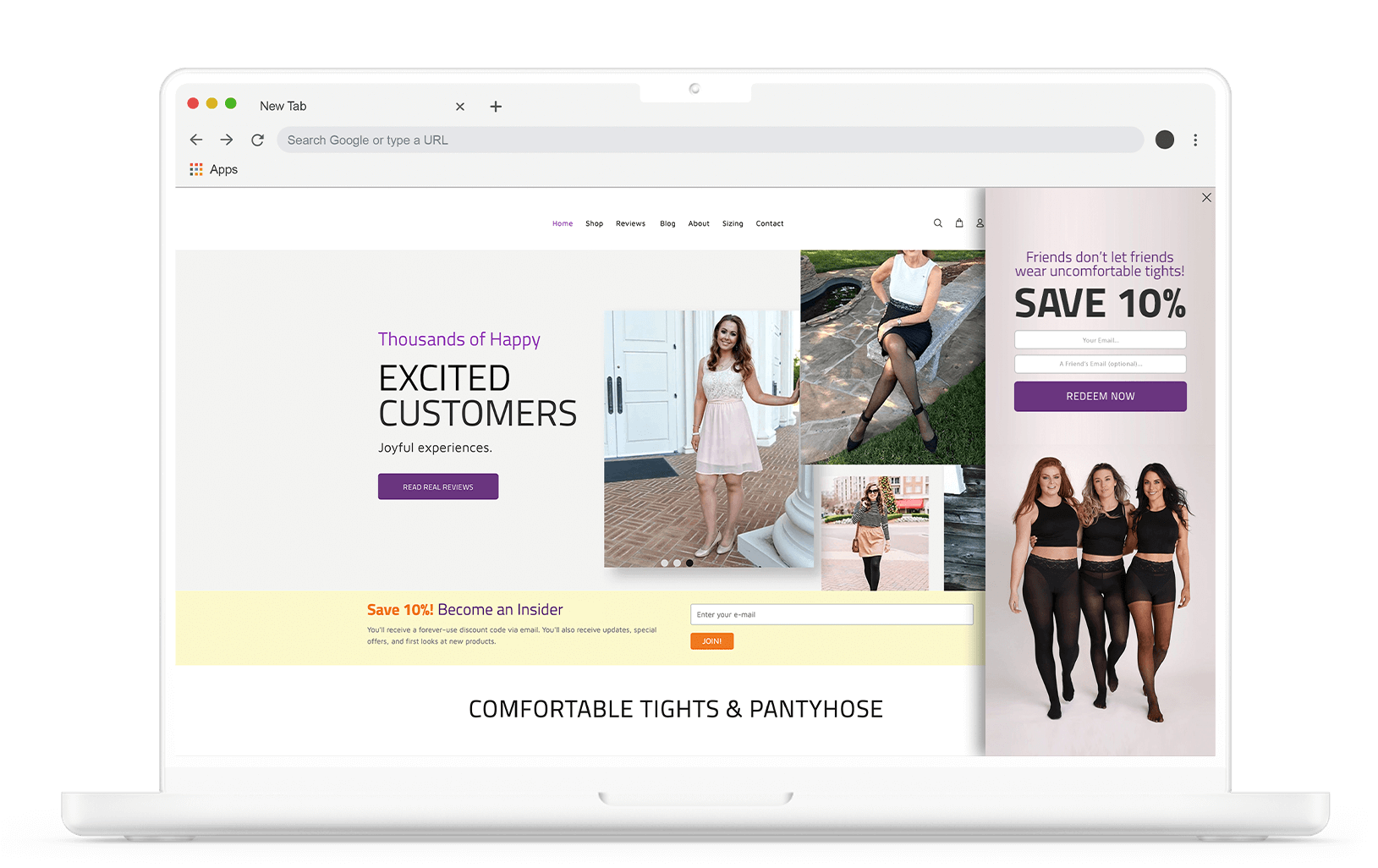
The location of your email signup form can influence visibility and performance.
Consider testing different placements throughout your website to determine which locations generate the strongest engagement and conversion rates. The most effective placement can vary based on shopper intent, so test different locations to understand what works best for your audience.
8. Thank-You Page and Welcome Email
Thank-you pages and welcome emails are vital for satisfaction. Thank-you pages confirm signup success and motivate further exploration, while welcome emails confirm subscriptions and provide valuable information. These elements create a smooth onboarding experience, build trust, and establish a positive connection with shoppers.
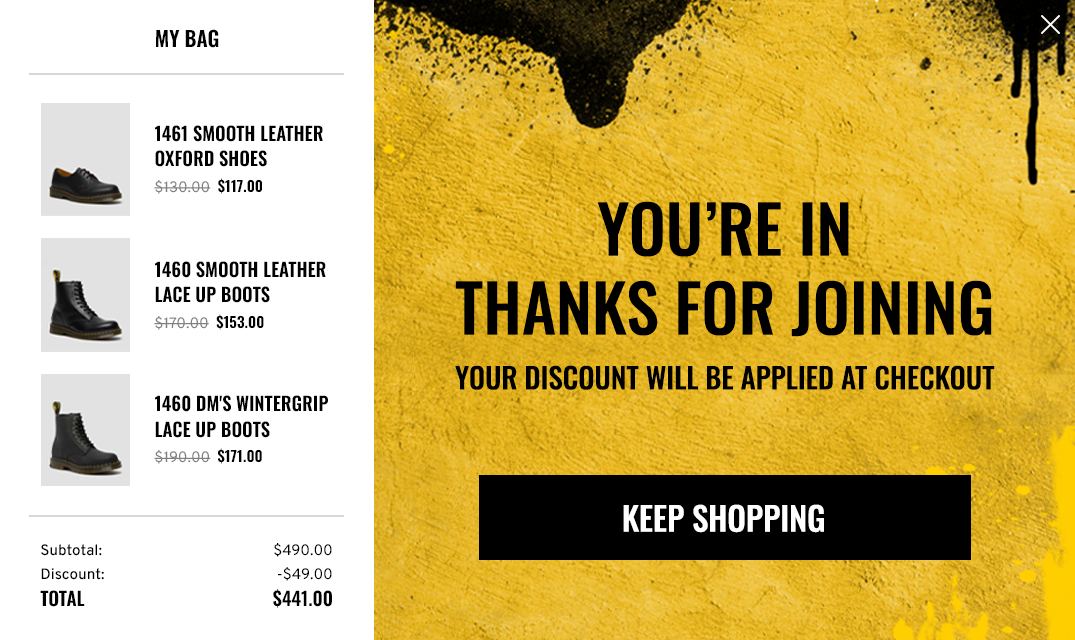
In the example below, a shopper is shown a thank you page and confirmation of their discount after they’ve finished signing up for an email list. The engagement confirms a shopper has signed up, while also motivating further action with the CTA “Keep Shopping.”
9. Highlight Privacy & Trust
Shoppers are concerned about the security of their information when they fill out email signup forms. To address any apprehensions associated with these forms, it’s essential to provide a prominently displayed privacy policy that guarantees the safety of shoppers’ data.
This policy should reassure shoppers that their information will be handled securely and that signing up won’t result in unwanted spam. Emphasizing the importance of privacy in this way can help establish trust and foster positive relationships with shoppers.
10. Monitor & Optimize
Actively track conversion rates, click-through rates, and bounce rates to gain a comprehensive look on the performance of your forms. These metrics will highlight the effectiveness of your signup forms and pinpoint precise areas for improvement.
This invaluable insight forms the cornerstone for refining your signup forms, tailoring them to resonate seamlessly with your audience’s preferences and expectations.
Launch the Perfect Email Remarketing Campaign
Once you’ve built a base of interested subscribers, the next step in increasing conversions is to create a compelling email marketing campaign that encourages shoppers to return to your site.
Abandonment patterns can provide insights into shopper behavior. There are various reasons why shoppers might abandon their carts, and it’s especially frustrating when they’re on the verge of making a purchase but then leave.
To bring these potential customers back, consider implementing a well-planned cart abandonment email remarketing campaign to offer them a reason to complete their purchase.
As a bonus tip, you can encourage shoppers to provide their email addresses by offering to save their shopping carts for later. This will help you collect valuable leads and initiate the remarketing process.
Discover more best practices for an abandonment email strategy and get started winning shoppers back and recovering otherwise lost sales.
Expand Your Subscriber Base with Best Practices
When you implement these best practices, you’ll enhance your email signup rates and create a more engaged and high-quality subscriber base.
Crafting an effective form is the initial step toward acquiring loyal customers. To maintain ongoing success, consistently analyze, gather feedback, and refine your form.
When you pair your enhanced signup form with a well-executed email marketing campaign, you’ll amplify your ability to re-engage and convert shoppers.
For more ways to grow your subscriber base, read our full guide to lead capture for ecommerce and learn how to turn anonymous visitors into identifiable shoppers.
Discover More Solutions to Bring Shoppers Back to Your Site
With 80% of abandoned shoppers never returning, obtaining contact information is vital for building relationships and driving long-term revenue.
Upsellit’s New-to-File Leads Case Study details personalized lead generation strategies and their impact on collecting new email addresses from shoppers. Explore these strategies to learn how Upsellit recovers 61% of abandoning shoppers before they leave for good, helping clients build a strong and profitable subscriber base.