

Behavioral personalization (also known as behavior-based marketing) is a marketing strategy that uses real-time customer behavior data, such as browsing activity, cart actions, and engagement signals, to deliver tailored messages, product recommendations, and experiences across digital channels.
These customer behavior signals, often captured in real-time shopper behavior, help brands deliver personalized experiences at critical decision-making moments.
By tracking actions like browsing products, abandoning pages or carts, opening emails, or returning to a website, businesses can respond with timely messages and suggestions tailored to each shopper’s interests.
Research from McKinsey shows that effective personalization strategies and behavior-based marketing can increase conversion rates by 20–30%.
Rather than relying on assumptions or broad demographics, behavioral personalization ensures the right content reaches the right person at the right moment.
While behavioral personalization can be applied across the entire customer journey, including early-stage browsing and cart recovery, this guide focuses on how personalization works and how to implement it effectively.
TL;DR
Behavioral personalization allows brands to respond to real customer actions with relevant, timely messaging.
Instead of relying on broad demographics or assumptions, it uses browsing behavior, abandonment signals, engagement patterns, and purchase history to guide messaging across websites, email, and other channels.
When executed effectively, behavioral personalization can:
- Supports higher conversion rates: Enables more relevant experiences that guide customers toward purchase decisions.
- Addresses abandonment scenarios: Can trigger timely messages when visitors leave pages or carts.
- Enhances engagement: Helps keep customers interacting with your brand in meaningful ways.
- Maximizes traffic value: Supports strategies that make better use of existing traffic without relying on discounts.
- Contributes to long-term customer value: Encourages repeat engagement and loyalty through personalized experiences.
It works best when brands focus on relevance, timing, testing, and moderation, ensuring personalization enhances the customer experience rather than interrupting it.
What Is Behavioral Personalization?
Behavioral personalization is the business practice of analyzing each customer’s behavior to deliver personalized marketing.
Behavioral personalization tracks customer interactions, like the pages they visit, items they leave behind, and how they engage with emails, instead of depending only on static profile information such as age or location.
The goal is simple: help customers find what interests them and guide them through their journey, whether that’s completing a purchase, returning to a product page, or engaging with content they’re likely to value.
Behavioral personalization can be applied across multiple channels, including websites, email, and messaging, and is closely related to one-to-one personalization strategies that tailor experiences at the individual level.
Behavioral personalization recognizes that customer behavior signals intent, even when a purchase hasn’t happened yet. A product view may signal interest. A return visit may signal consideration. A cart addition may signal high purchase intent with potential hesitation.
Instead of waiting for a completed conversion, brands can respond to these micro-signals throughout the journey.
Research from HubSpot shows that emails triggered by abandonment or behavior see higher open and click-through rates than generic campaigns.
Behavioral Marketing Use Cases:
- Exit-intent messages that respond to visitors leaving a page
- Browse abandonment emails triggered by past product views
- Cart recovery messages initiated by shopper behavior
- Personalized recommendations delivered based on browsing history
Behavioral Personalization vs. Other Types of Personalization
|
Personalization |
Data Used |
Example |
|
Behavioral Personalization |
Browsing activity, product views, cart actions, engagement signals |
A shopper views shoes and later sees recommendations or receives a reminder of items they viewed |
|
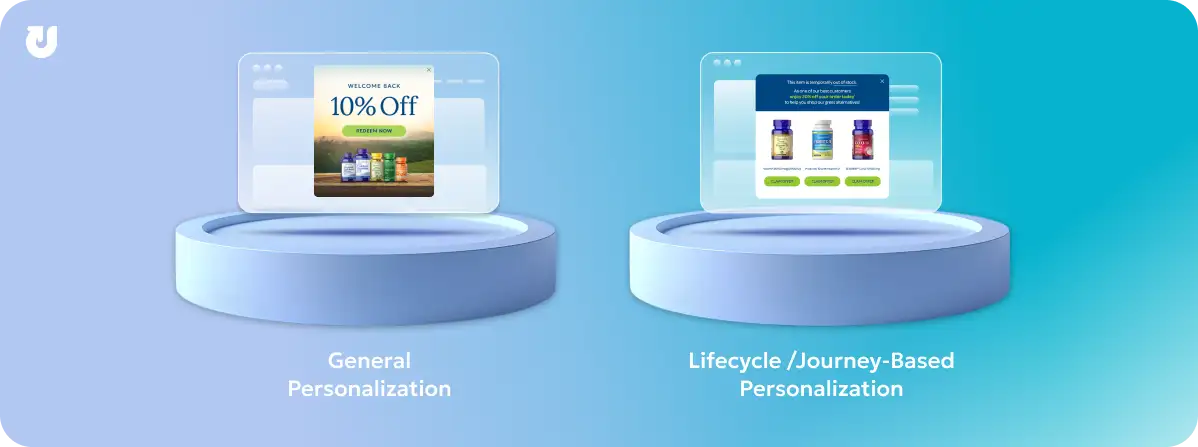
General Personalization |
Basic visitor information or simple rules such as new vs. returning visitors |
A returning visitor sees a homepage message welcoming them back |
|
Demographic Personalization |
Age, gender, household income, or geographic location |
A clothing retailer highlights winter coats for visitors in colder regions |
|
Contextual Personalization |
Device type, time of day, location, referral source, or current browsing context |
A mobile visitor sees simplified navigation while desktop visitors see a full product grid. |
|
Predictive / AI-Driven Personalization |
Machine learning models analyzing behavioral and purchase patterns |
A retailer predicts which products a visitor is most likely to purchase and displays those recommendations. |
|
Lifecycle / Journey-Based Personalization |
Customer lifecycle stage such as first-time visitor vs. repeat buyer |
A new visitor sees introductory content, while a repeat buyer receives loyalty offers. |
|
Identity-Resolved Personalization |
Unified profiles created by linking customer identities across devices and channels |
A shopper who browsed products on mobile later receives a personalized email featuring the same items. |
|
Product-Based / Content-Based Personalization |
Product attributes, browsing patterns, and related product relationships |
A shopper viewing a camera sees recommended accessories like lenses, memory cards, or tripods |
|
Segment-Based Personalization |
Broad audience segments based on shared characteristics or behaviors |
A retailer sends different promotions to frequent buyers than to first-time visitors. |
|
Rule-Based / Triggered Personalization |
Predefined rules triggered by specific customer actions |
A visitor attempting to exit a page sees a message reminding them of the item they were considering. |
Why Behavioral Personalization Matters
Modern customers expect relevant and timely experiences. Generic marketing no longer captures attention. Behavioral personalization matters because it:
- Supports higher conversion rates: Respond to customer intent in real time, guiding more visitors toward purchase decisions.
- Reduces abandonment: Trigger timely messages when customers leave pages or carts.
- Boosts engagement: Keep customers interacting with your brand through personalized content and recommendations.
- Maximizes traffic value: Make the most of existing website visitors without relying solely on discounts.
- Encourages long-term customer value: Deliver relevant suggestions and follow-ups that promote repeat engagement and loyalty.
Research from the Baymard Institute shows that behavior-based on-site messages can recover up to 15–20% of lost revenue from abandoned sessions
How Behavioral Personalization Works
One way to think about this process is the behavioral personalization Loop:
Track → Analyze → Deliver → Optimize → Repeat

Track
The first step is collecting behavioral data from customer interactions.
This can include actions such as browsing products, clicking links, abandoning carts, or opening emails.
These signals help brands understand how visitors are interacting with their digital experience.
Analyze
Next, behavioral data is analyzed to determine customer intent and where a shopper may be in their journey.
For example, a visitor viewing multiple product pages may be researching options, while a shopper adding items to their cart may be close to purchasing.
These actions act as shopper intent signals that help identify high-value micro-moments in the customer journey.
Deliver
Once intent is understood, brands can deliver personalized experiences.
These may include product recommendations, triggered emails, onsite messages, reminders about abandoned items, or tailored content designed to move the customer forward in their journey.
Optimize
Finally, personalization strategies must be tested and refined.
By analyzing engagement and conversion data, brands can adjust triggers, messaging, timing, and segmentation to improve results over time, following emerging website personalization trends.
Research from McKinsey shows that effective personalization strategies can increase conversion rates by 20–30%.
But because behavioral signals vary in strength, personalization strategies often adapt to different levels of intent.
For example:
- Low-intent signals: Homepage browsing, general category exploration
- Mid-intent signals: Multiple product page views, repeat visits
- High-intent signals: Cart additions, checkout initiation, pricing interactions
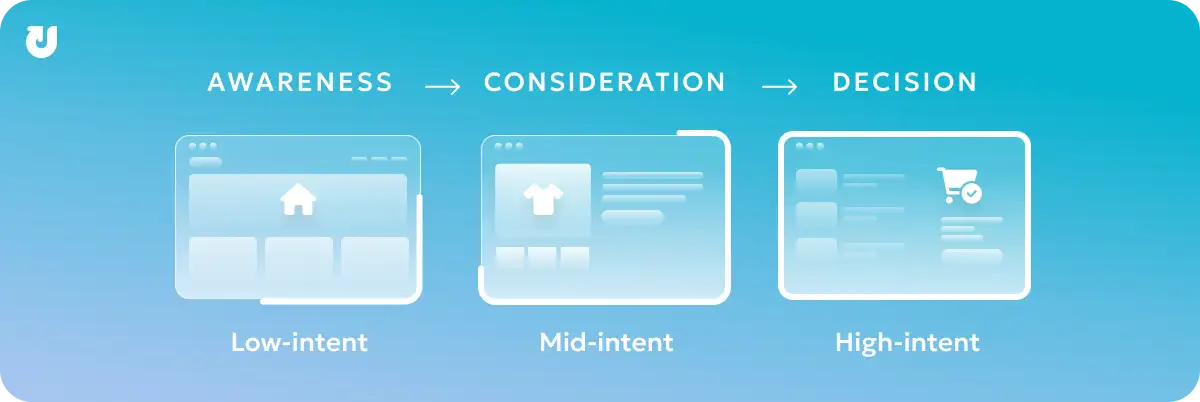
The stronger the behavioral signal, the more precise and urgent the personalization strategy can be.
Additionally, behavioral personalization often relies on segmentation layers such as:
- New vs. returning visitors
- First-time vs. repeat purchasers
- High average order value customers
- Discount-sensitive shoppers
By combining behavioral triggers with audience segmentation, brands can deliver messaging that feels individualized without being intrusive.
Common Drivers of Behavioral Personalization
Many factors have made behavioral personalization essential for businesses today:
- Rising expectations for personalization from customers
- Increased digital marketing costs, making existing traffic more valuable
- Better access to real-time customer behavior data
- Advances in automation and AI for personalized messaging
- Pressure to improve conversion and retention without redesigning websites
Research from Adobe shows that 87% of organizations using AI‑driven personalization report improved customer engagement, and many have seen enhancements in revenue growth as a result of more effective AI‑enabled marketing campaigns
Challenges and Limitations of Behavioral Personalization
While behavioral personalization can significantly improve performance, it also comes with challenges that brands must carefully manage.
- Data Quality: Behavioral personalization depends on accurate tracking. Incomplete data, misfiring triggers, or disconnected systems can result in irrelevant messaging.
- Over-Messaging: Sending too many triggered messages can overwhelm customers. Without frequency controls and thoughtful timing, personalization can feel intrusive. This can lead to personalization fatigue if not properly managed.
- Complexity: Building advanced behavioral rules requires ongoing testing, ross-channel coordination, analytics expertise, and technology integration For many teams, maintaining these systems internally can stretch resources.
- Privacy and Compliance: As privacy regulations evolve and third-party cookies decline, brands must rely heavily on first-party data while ensuring compliance.
- Measuring Incremental Impact: Without proper testing frameworks and control groups, it can be difficult to isolate the true lift generated by personalization efforts.
When to Consider a Specialized Partner
Because behavioral personalization requires continuous testing, behavioral analysis, and optimization across multiple touchpoints, some brands choose to work with a partner specializing in conversion rate optimization and behavioral marketing.
A partner can help:
- Identify high-impact behavioral triggers
- Implement advanced segmentation and rules
- Run controlled A/B testing
- Measure incremental lift accurately
- Optimize messaging without over-relying on discounts
- Platforms and teams that specialize in behavioral engagement, such as Upsellit, can integrate alongside existing marketing stacks to activate real-time signals without requiring a full internal rebuild.
For brands with high abandonment rates, limited internal bandwidth, or aggressive growth goals, working with a dedicated behavioral personalization partner can accelerate results while maintaining customer experience quality.
Research from Statista shows that 90% of consumers find personalized marketing content appealing.
Behavioral Personalization Strategies and Best Practices
Triggered Messaging Best Practices:
Effective behavioral personalization relies on relevance, timing, and moderation. Brands should follow the behavioral personalization loop to ensure consistent optimization:
Track → Analyze → Deliver → Optimize → Repeat.
This loop ensures that personalization remains responsive to real-time shopper behavior while continuously improving over time.
Applying Behavioral Personalization Across the Customer Journey
Once best practices are in place, brands can implement personalization across key stages of the customer journey.
Below are actionable strategies paired with real-world results from behavioral personalization case studies:
1. Early-Stage Engagement
Engage visitors during browsing and product exploration to guide interest and encourage meaningful interactions.
- Display personalized content or product recommendations based on real-time browsing behavior.
- Capture micro-moments such as multiple product views or repeat visits to identify interest levels.
- Example: Home and decor brands increased conversions by up to 33% through real-time personalization campaigns.

2. Cart & Checkout Support
Help shoppers complete their purchase with timely, behavior-driven messaging at the moment they need it most.
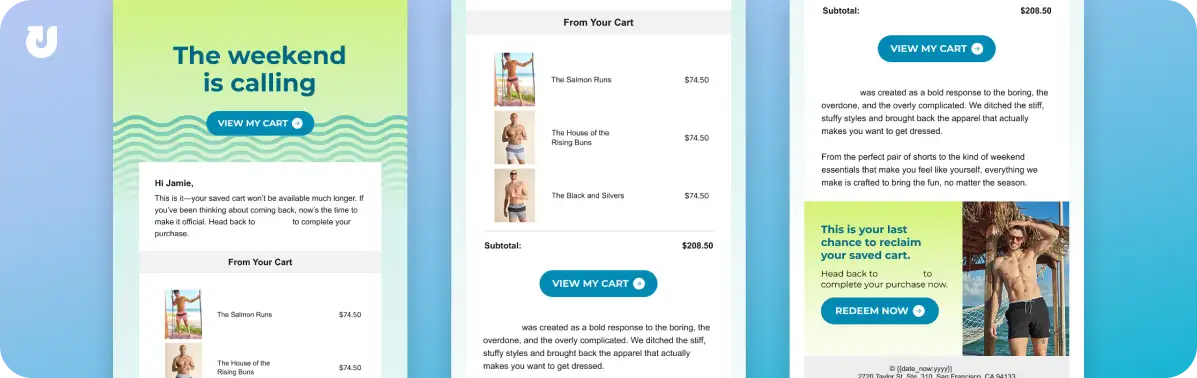
- Trigger cart recovery messages, exit-intent prompts, or reminders for items left in carts.
- Personalize offers or product suggestions based on shopping behavior and intent signals.
- Example: Beauty brands saw a 27.5% conversion increase with abandonment recovery campaigns.

3. Post-Visit Re-Engagement
Reconnect with visitors after they leave your site to nurture leads, encourage repeat visits, and drive incremental revenue.
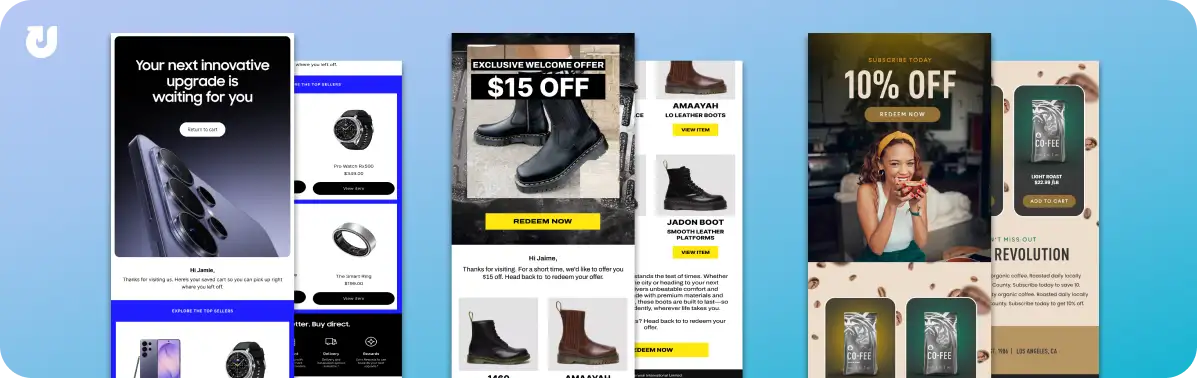
- Send behavior-triggered emails with AI-driven product recommendations tailored to past activity.
- Align messaging with customer lifecycle stage to maximize engagement and conversions.
- Examples:
- Consumer electronics retailers achieved 24% email conversion rates using triggered campaigns.
- AI-powered recommendations delivered a 12% incremental lift in conversions.
- Coffee and tea brands increased conversion by 18% and new customer acquisition by 8% using lifecycle-based messaging.
4. Continuous Testing and Optimization
Behavioral personalization is most effective when brands continuously test and refine their strategies.
- Experiment with different triggers and messaging for early-stage engagement, cart recovery, and post-visit campaigns.
- Monitor engagement and conversion metrics to identify what works best.
- Example:
- Fashion and home brands optimized triggers and messaging to achieve up to 33% conversion increases.
These strategies often support broader conversion rate optimization efforts through cross-channel personalization.
Additional Resources
If you want to explore behavioral personalization strategies in more detail, the resources below expand on the ideas covered in this guide.
- Upsellit Case Study Homepage
- 5 Types of Shoppers
- 15 Ways to Boost Engagement
- Using Personalization to Convert Social Media Shoppers
- 10 Powerful Ecommerce Targeting Tactics to Boost Your Sales
Frequently Asked Questions About Ecommerce Behavioral Personalization
What Is Behavioral Personalization in Ecommerce?
Behavioral personalization is the use of customer actions, such as browsing, purchases, or email engagement, to deliver relevant customer experiences in real time.
When Should I Consider Working with a CRO Partner?
You should consider working with a CRO partner if your site continues to experience high abandonment rates despite ongoing optimization efforts, your team lacks the time or resources to run effective testing programs, or you need specialized expertise.
How Does Behavioral Personalization Differ From Retargeting?
Behavioral personalization focuses on tailoring the customer experience based on a user’s actions, preferences, and browsing behavior across channels like your website, email, SMS, and more.
Retargeting, on the other hand, primarily uses off-site ads to re-engage visitors after they leave your site.
In short, retargeting is one tactic, while behavioral personalization creates a more connected, personalized experience throughout the customer journey.
Does Behavioral Personalization Require Cookies?
Not always. Many strategies rely on first-party data and real-time engagement instead of third-party cookies.
How Can I Measure Behavioral Personalization Success?
Track metrics like conversion rate lift, recovered abandoned sessions, engagement with triggered messages, and incremental revenue from personalized experiences.
Which Channels Work Best for Behavioral Personalization?
Behavioral personalization can be applied across websites, emails, and push notifications, depending on where the customer interacts with your brand.
How Do I Avoid Being Intrusive with Behavioral Personalization?
Send relevant messages at controlled frequency, avoid interrupting the customer, and ensure each recommendation or suggestion adds clear value.
How Often Should Personalization Triggers and Rules Be Updated?
Review triggers at least quarterly to account for evolving customer behavior, product updates, and new marketing campaigns.
What Are Common Mistakes in Behavioral Personalization and How Can They Be Avoided?
Common mistakes include over-messaging, ignoring data quality, sending irrelevant recommendations, and failing to test or measure outcomes.
How Do I Prioritize Which Behaviors to Personalize First?
Focus on high-intent actions like cart additions, checkout starts, or repeat product views.
How Do You Avoid Personalization Fatigue in Triggered Campaigns?
Limit message frequency and ensure each communication adds clear value.
How Can Small Businesses Implement Behavioral Personalization?
Low-traffic sites can personalize based on key behaviors like product views or cart activity.
What Tools or Platforms Are Required for Effective Behavioral Personalization?
Tools that track behavior, trigger messages, and measure results, such as engagement platforms, marketing automation, or personalization software.
How Long Does It Take to See Results from Behavioral Personalization?
Triggered experiences can show results quickly, but ongoing testing and optimization improve performance over time.
How Do You Measure the Success of Behavioral Personalization Campaigns?
Use A/B testing and measure metrics like conversion lift, engagement, and incremental revenue.
Does Behavioral Personalization Work across All Industries?
Yes. It’s especially effective for ecommerce, travel, finance, and subscription services.
How Does Privacy Regulation Affect Behavioral Personalization Strategies?
Regulations like GDPR and CCPA require using first-party data, obtaining consent, and maintaining transparency.
Can Behavioral Personalization Improve Customer Retention, Not Just Conversions?
Yes. Relevant experiences encourage repeat engagement, loyalty, and long-term customer value.